

[ult_tab_element tab_style=”Style_4″ acttab_title=”#FFFFFF” acttab_background=”#1E4EBE” title_font_style=”font-weight:bold;”][single_tab title=”Business Presentations” tab_id=”1691082937543-d6d4a574-785e”]
[/single_tab][single_tab title=”Clinical Presentations” tab_id=”1691088558595-9dbee434-c1f7″]
[/single_tab][single_tab title=”Technical Presentations” tab_id=”1691082937496-a0247508-6145″]
[/single_tab][single_tab title=”Speaker Bios” tab_id=”1691083029749-c145dd9b-cb7d”]
[/single_tab][/ult_tab_element]
Beyond the Shortage: Reinventing Healthcare Staffing w/Fractional Talent and AI
Presenters: Jeremy Stephens, Jason Buskirk, Tiffany Crenshaw
As the baby boomer generation retires in large numbers, the health care industry is facing a growing skills gap and a critical labor shortage. At the same time, shrinking revenue margins are making it harder for organizations to fill open roles, compounding the workforce crisis. These dual pressures, along with an aging population that requires more care, are driving health care leaders to seek innovative staffing solutions.
This presentation will examine these challenges and introduce two forward-thinking strategies: integrating a fractional workforce and implementing AI-driven agentic automation. These approaches will be explored from the perspectives of a health system’s chief human resources officer and vice president of data and analytics, offering both operational and analytical insight into building a more effective and efficient workforce.
Learning Objectives:
- Understand the Impact: Analyze the effects of mass retirements, financial constraints, and rising care demands on the healthcare workforce landscape.
- Explore Innovative Solutions: Evaluate the potential of fractional workforce models and AI-driven agentic automation as strategic responses to workforce and operational challenges.
- Apply Strategic Insights: Identify actionable approaches for integrating these innovations into healthcare systems to enhance workforce resilience, efficiency, and care delivery.
Building the Dream Team
Presenter: Rachini Moosavi
This is a conversation about the Data and Analytics DREAM Team of the future:
- D: Data products and governance
- R: Reimagined strategy, skills, structure, and partners
- E: Empathy, equity, and inclusion
- A: Analytics solution management
- M: My skills and continuous learning that leads to action
And it’s not about technology. It’s about change management—and how data and analytics professionals must evolve to successfully meet the needs of our customers by focusing on people and process.
Learning Objectives:
- How to build a DREAM Team, lessons learned along the way and pitfalls to avoid
- How data and D&A professionals can drive value throughout an organization benefitting their companies, their patients and, incidentally, their careers
Developing and Internal Metric: A Revenue Cycle Registration Error Rate
Presenters: David Jinorio Swanson, Tamara Barksdale, Jack Pomeroy
UNC Revenue Analytics manages a wide range of metrics across Patient Access, Physician Billing, Coding, Hospital Billing and Reimbursement. In a previous NCHIMSS presentation, we discussed how UNC defines metrics within these categories, including internal comparisons and external benchmarks.
One common question emerged: How can a customized internal metric be developed to align with specific operational processes?
This session answers that question by walking through the creation of our Revenue Cycle Registration Error Rate metric. We’ll share how we partnered with data analytics experts, operational teams and executive leadership to build a metric that reflects performance, drives improvement and communicates registration success through a revenue cycle lens.
Key topics:
Why customize? Learn when and why to create internal metrics instead of relying on external benchmarks.
Cross-functional collaboration: Explore strategies for working with ISD and operations to define and refine KPIs, and how we navigated key challenges.
Driving adoption: Understand how we ensured buy-in from leadership and integrated the metric into decision-making processes.
Learning Objectives:
- Analyze the necessity for customization. Participants will analyze why we required a tailor-made internal metric for Revenue Cycle Registration Error Rates, distinguishing between the need for new metrics and external benchmarks.
- Develop internal benchmarks focused on operational processes rather than solely on data analysis. Participants will be able to construct internal benchmarks that prioritize evaluating and improving operational processes, moving beyond reliance solely on data analysis.
- Evaluate methods of implementation and acceptance Participants will evaluate the methods used to disseminate the Revenue Cycle Registration Error Rate metric, ensuring acceptance by key operational leaders and optimal implementation, and appraise its impact on improving operations and communication.
Safeguarding EHR Access: Isolated Recovery Environments for Ransomware Defense
Presenters: Donny Wilson, David Lloyd
As cyberattacks such as ransomware and other unplanned outages increasingly disrupt healthcare operations, ensuring continuous access to electronic health records is both a clinical and financial imperative. Traditional disaster recovery strategies are often insufficient to meet the speed, scale and security required for modern healthcare resilience. This session explores how isolated recovery environments (IREs) provide a secure, air-gapped solution to rapidly restore core EHR functionality following ransomware attacks, system failures or human error.
Through a real-world case study from a multi-hospital health system, we will show how implementing an IRE reduced recovery time from days to hours, preserved continuity of care and avoided millions in potential losses. Additional benefits included improved audit readiness, stronger compliance posture and lower cybersecurity insurance premiums.
Key takeaways will include practical strategies for integrating IREs into existing IT and clinical environments, overcoming implementation challenges and establishing governance and testing protocols. Attendees will leave with a clear understanding of how IREs enhance healthcare system resilience, protect patient safety and support financial sustainability.
As the industry faces growing digital threats, IREs represent a critical layer of recovery infrastructure — enabling healthcare organizations to maintain trust, meet regulatory demands and continue delivering care even under adverse conditions.
Smart Scheduling Analytics Unlocks Outpatient Rehab Capacity
Presenters: Mahmoud Alwakeel, MD; Shahryar Farooq, MD; Carine Yehya
Outpatient physical and occupational therapy clinics faced a paradox: referrals increased and waitlists grew, clear signs of high demand, yet utilization remained low and treatment chairs stayed empty. A yearlong analysis of one pilot site found only 54% of booked visits were completed. Return patients accounted for 72% of bookings—and most cancellations—leaving one-third of potential revenue unrealized and only 32% of new patients seen within 14 days.
A four-tab, role-based analytics dashboard helped turn insight into action. The executive view surfaces real-time capacity loss, revenue exposure and access key performance indicators. The analytics view shows disruption patterns and lets leaders set attendance-compliance thresholds while charting the risk of breaching that threshold with each additional prebooked return visit. The forecasting view quantifies gains from capping future return bookings, providing estimates of slots and therapist hours freed, simulating access improvements and predicting what share of capacity should remain reserved for return patients to maintain schedule balance. The simulation view blends historical short-notice disruptions with user-selected risk tolerance to propose safe overbooking ranges, allowing each clinic to set its own confidence level.
The planned rollout aligns clinicians, schedulers and executives around a data-driven policy to reclaim idle capacity, shorten waits and protect revenue—without adding staff or space.
Learning Objectives:
- Design the logic flow and build an interactive, role-based dashboard that converts visit-level data into real-time metrics on capacity loss and revenue risk for outpatient rehab clinics.
- Interpret simulations that cap how many return visits a patient may pre-book at one time, alongside safe over-booking ranges, to design evidence-based scheduling policies that balance access goals with fill-rate risk.
- Design a change-management roadmap that converts analytics insights into sustained wait-time and revenue improvements.
Clinical Presentations
KEYNOTE PRESENTATION – Healthy NC 2030 and the 2025 Child Health Report Card
Presenter: Michelle G. Ries, MPH
The North Carolina Institute of Medicine provides non-partisan, evidence-based information and discussion to state legislators, state agencies, health systems, advocacy organizations, and other partners, with the aim of informing actionable health policy change that will improve health across the state. In this session, NCIOM president and CEO Michelle Ries will discuss recent NCIOM data, including Healthy North Carolina 2030 and the 2025 Child Health Report Card, and lead discussion on key health policy challenges and opportunities for policy action in North Carolina.
Care Compass: Intelligent Navigation for Better Health Outcomes
Presenter: William Lopez, PhD, National Medical Director – AI & Virtual Care, Evernorth
The Care Compass: Intelligent Navigation for Better Health Outcomes proposal highlights the need for advanced digital solutions to help patients and caregivers navigate complex healthcare systems, particularly when managing chronic illnesses and fragmented care. Healthcare providers recognize that agentic AI—autonomous digital assistants offering personalized, empathetic, and context-aware support—can simplify processes and provide proactive guidance.
Current tools often lack integration across electronic health records, claims, and community services, leaving patients with disconnected and confusing resources. Patients and caregivers have expressed strong interest in straightforward, accessible tools backed by trustworthy organizations.
Agentic AI systems can address these gaps by providing real-time, individualized support, including medication reminders, help with benefits navigation, and coordination of caregiver tasks. These pilot-ready applications show potential for measurable improvements in patient engagement and health outcomes.
As healthcare providers expand their services, they stand at the forefront of this innovation, ready to integrate intelligent, patient-centered solutions with clinical, behavioral, and pharmacy services. The goal is to empower patients, ease caregiver burden, and set a new benchmark for digital health support and engagement.
Product Management and Nursing – Why This Mindset Is Important
Experience and perspectives from a digital health innovation leader (and dad) on why we need to focus digital innovations in nursing.
Presenter: Matt Cox, Duke Health
Nurses face growing demands that continuously pull them away from direct patient care—documentation, coordination, and administrative tasks. Health systems are investing in digital tools but are we doing enough to reduce burnout, improve retention, and meet our metrics?
This session explores how a healthcare technology leader and personal experience receiving care at three major US health systems believes we need to adopt a product mindset in hospitals – how to think about, model, evaluate, and accelerate “nice-to-haves” into essential drivers of success. Attendees will discuss how we can connect innovations like virtual nursing to financial pain points with nurse retention, LOS, and backfilling with the promise of lowering burnout.
Reclaiming Physician Time: Automating Outside Material Review with Explainable AI
Presenter: Svetlana Makarova, Mayo Clinic
This session presents an AI-driven approach to automating the review of outside medical materials — a persistent source of inefficiency and physician burnout. In many health systems, clinicians spend up to an hour manually sifting through scanned documents to locate relevant information. The process often results in delays, duplicate efforts, and more than 250,000 EHR messages each year related to external document issues.
The session introduces Document Engine, an API service layer that uses natural language understanding and clinical ontologies to extract explainable, contextual insights tailored to a clinician’s specialty and patient condition. The modular, scalable solution is designed to integrate seamlessly into existing workflows without adding cognitive overhead. In early validation studies, chart review time to find contextually relevant information dropped from 46 to 69 minutes to under 20 seconds. Each insight is traceable to the original document and enriched with semantic tags, confidence scores, and metadata.
Attendees will gain a practical framework for deploying explainable AI in clinical settings, with lessons learned in change management, user-centered design, and performance validation. This session is geared toward informatics leaders and executives seeking to improve clinical efficiency, reduce administrative burden, and enhance provider satisfaction through intelligent automation.
Learning Objectives:
- Apply modular, API-based approaches to surface contextual insights from unstructured, outside medical materials using explainable AI.
- Analyze the design principles and performance enablers that make the Document Engine effective in diverse clinical settings.
- Identify key factors for adapting explainable AI solutions for outside medical material review across clinical workflows.
Technical Presentations
KEYNOTE PRESENTATION – Advancing Digital Health Transformation: Insights from the HIMSS Global Community
Presenter: Christina Caraballo, Vice President, Informatics, HIMSS
Session Overview: Digital health transformation is reshaping the future of healthcare. This keynote will explore how HIMSS communities connect global experts to drive innovation, highlight artificial intelligence as a revolutionary force, and examine the evolving healthcare workforce. Attendees will gain perspective on how collaboration, technology, and new care models are creating meaningful change across the health ecosystem.
Learning Objectives: By attending this session, participants will be able to:
- Explore key factors accelerating digital health transformation
- Understand the role of AI in shaping healthcare’s future
- Examine global and workforce trends influencing transformation
AI Governance in Action: The Blueprint for Trustworthy & Scalable AI
Presenters: David Galich, Sophia Bessias
As AI solutions continue to proliferate—from predictive models to generative agents—the need for strong governance has never been more critical. Despite the surge in interest, successful, value-driven adoption remains limited. One key reason: confusion around how to select, implement and manage AI tools effectively.
This hands-on workshop offers a practical, end-to-end approach to AI governance. Through interactive exercises, participants will learn to build an AI inventory using model cards, assign risk levels with a leading governance framework and implement governance structures with clear roles and approval processes.
Learning Objectives:
- Identify different types of AI used in healthcare, their attributes, explain the purpose of model cards for inventory management and analyze examples of model cards across AI types (predictive, generative, agentic).
- Describe a risk stratification framework, classify AI tools by risk level based on clinical and operational impact and the likelihood of occurrence, and evaluate examples to understand implications of varying risk levels.
- Define key governance elements including roles, approval and escalation processes, discuss strategies for operationalizing governance within organizations and compare governance maturity models using real-world healthcare examples.
Code to Care: Driving AI Adoption, Collaboration & ROI In Healthcare
Presenters: Albert Villarin, MD and Salim Afshar, MD, DMD
This session introduces a practical, question-based framework to help healthcare leaders translate the evolving field of AI into meaningful, context-specific strategies. Rather than starting with algorithms or tools, it begins with purpose, asking what problems are most pressing in your environment, what business and clinical objectives need to be addressed, and what technical and human capabilities are needed to meet them.
Drawing on real-world experience in clinical care, implementation science, and systems thinking, the presentation guides participants through a structured approach to AI adoption that balances opportunity with caution. Attendees will learn to identify the core elements required for successful implementation, including data readiness, workforce alignment, workflow integration, and governance models.
AI can improve outcomes, reduce burden, and bring clarity to complex decision-making, but only if implementation efforts reflect the realities of your context. This talk is not about pursuing innovation for its own sake. It is about equipping teams to build a disciplined pattern of learning, consultation, and action rooted in local constraints and opportunities. The goal is to cultivate a culture shift that aligns vision with practice and enables durable, sustainable transformation.
Learning objectives:
- Advance AI Knowledge & Application – Understand practical strategies to deploy AI tools across clinical, operational, and administrative workflows.
- Innovate the Healthcare Workforce – Explore how AI is reshaping roles, enhancing decision-making, and enabling cross-functional collaboration between clinical, technical, and executive teams.
- Enhance ROI Through Automation – Identify opportunities where AI-driven automation improves outcomes, reduces cost, and increases organizational efficiency.
Infrastructure for Innovation: The Broadband Foundation of Healthcare’s Future
Presenters: Jordan Rogers, Mike Plesh
“Medical-grade broadband networks” are essential for modern healthcare. They support equitable care delivery, enable data-driven improvements in patient outcomes, and lay the foundation for future healthcare technologies. The NC Telehealth Network Association (NCTNA), a nonprofit consortium, navigates the FCC’s Universal Service Fund Healthcare Connect Program to provide deeply discounted medical-grade broadband services to North Carolina healthcare providers. This presentation will highlight broadband’s role as a vital utility and explore future-focused themes like resilience, interoperability, and AI in healthcare. A case study on how UNC Health partnered with NCTNA during Hurricane Helene will underscore the critical importance of medical-grade broadband for healthcare providers.
Learning Objectives:
- Define and emphasize the importance of medical-grade broadband. Outline requirements for a network to be considered “medical-grade.”
- Recognize the importance of the Universal Service Fund (USF)’s Healthcare Connect Fund for HCPs. (Long-term sustainability = affordability of broadband).
- Explore the potential future landscape of healthcare, and the intersection of AI and healthcare’s broadband needs.
- Analyze lessons from Helene emphasizing broadband resiliency to reinforce the need for long-term investments in robust, affordable, fiber-based broadband infrastructure for health systems.
Rebuilding the Plane While Flying It – A Cybersecurity Compliance Journey
Presenter: William Hall
It’s much easier to start with a secure design than to bolt on security afterward. But what if you were asked to completely redesign the security of your server infrastructure, and then apply that redesign retroactively across your entire organization? What if that infrastructure existed in dozens of hospitals nationwide, hosted hundreds of clinical applications, and a single mistake could cause catastrophic downtime? Join us as we explore how one organization accomplished just that, a full year ahead of schedule, with minimal unplanned downtime. What drove this project forward? And what IT best practices helped ensure it was completed safely and smoothly?
Learning Objectives:
- Demonstrate the value of top-down driving by senior leadership of cybersecurity initiatives in an organization.
- Identify and highlight the enterprise IT management best-practices the enable large-scale complex projects to succeed.
- Emphasize the importance of collaboration, human connection, and empathy when making impactful changes.
Keynote Speakers
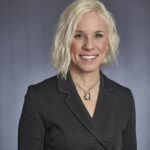 |
Christina Caraballo, MBA Vice President, Informatics HIMSS
Christina Caraballo, MBA, is a globally recognized leader working to transform health care by aligning her passions for policy, innovation, interoperability, consumer engagement, and equitable access to usable health information. Her mission is to advance health IT adoption and improve health outcomes at the local, national, and global levels. As vice president of informatics at HIMSS, Caraballo leads the Clinical Informatics, Strategic Advisory, Interoperability and Standards, Operations and Implementation, and Privacy, Security, and Cybersecurity teams. She brings deep expertise in addressing real-world industry challenges, with a focus on expanding access to information, supporting vulnerable populations, and strengthening communities. An active leader in the health IT sector, Caraballo champions industry initiatives that promote health IT adoption, interoperability, and patient engagement. She works closely with a broad network of stakeholders across government and the private sector. |
 |
Matt Hanauer, PhD Senior Director of Data Science MedeAnalytics Dr. Matthew Hanauer is senior director of data science at MedeAnalytics, bringing more than 15 years of AI leadership to healthcare transformation. With a doctorate from Indiana University, he has delivered more than $15 million in quantifiable healthcare savings through enterprise AI initiatives spanning EMR/EHR integration, value-based care optimization and predictive modeling. Hanauer has pioneered generative AI healthcare solutions, including agentic AI advisors and RAG-based tools, while publishing more than 30 papers and developing more than 15 production-grade products. Recently named to Becker’s “Rising Stars: 100 Healthcare Leaders Under 40,” he also serves as chief technology officer at Compliance AI and mentors emerging data scientists, driving innovation at the intersection of AI and healthcare. |
 |
Michelle G. Ries, MPH President & CEO North Carolina Institute of Medicine
Michelle G. Ries is president and CEO of the North Carolina Institute of Medicine (NCIOM), where she has served for more than a decade in roles including associate director. She has led statewide initiatives on serious illness care, dementia, Medicaid reform, child and family well-being, and pandemic response, including the Scarce Resource Allocation Protocol and Vaccine Advisory Committee during COVID-19. Ries also spearheaded NCIOM’s Legislative Health Policy Fellows program, which equips lawmakers with evidence-based tools to address health policy. Before joining NCIOM, Ries worked at the Commonwealth Fund in New York City and with the NYC Department of Health and Mental Hygiene. She holds a master’s in public health from Columbia University and a bachelor’s from the University of North Carolina at Chapel Hill. She is currently pursuing a doctorate in public health leadership at UNC Gillings School of Global Public Health. |
 |
Sean Sylva, PhD Assoc. Professor in Dept of Health Policy and Management UNC Gillings School of Global Public Health Sean Sylvia, PhD, is an associate professor in the Department of Health Policy and Management at the University of North Carolina’s Gillings School of Global Public Health. A global health economist, his research uses experimental and quasi-experimental methods to study innovative approaches for improving health service delivery in underserved communities worldwide.Sylvia co-directs the Digital Health Economics and Policy Lab at UNC, where he leads interdisciplinary teams that integrate behavioral, data and computer sciences to advance health policy research for the digital age. His work focuses on leveraging collective intelligence and artificial intelligence to enhance clinical decision-making and expand access to quality care. Recent projects examine health care digitization strategies, the design of digital systems that improve access and quality, and sustainable models for technology integration in resource-constrained settings.His research has been published in the BMJ, PLOS Medicine, Health Services Research, the Journal of Health Economics, World Development and the Economic Journal. His work bridges rigorous academic research with practical innovation, contributing to both scholarly advancement and real-world health system improvements.Before joining UNC, Sylvia held positions at Renmin University of China, Stanford University and the World Bank. He earned a doctorate in agricultural and resource economics with a concentration in development economics from the University of Maryland at College Park. He also co-founded CollectiveGood Health, which operationalizes research insights to enhance clinical practice through AI validation, peer consultation networks and collective intelligence platforms that support clinical decision-making and expand access to specialist expertise. |
Speaker Bios
 |
Albert Villarin, MD VP, CMIO Nuvance-Northwell Health Dr. Al Villarin is the Vice President and Chief Medical Information Officer at Nuvance-Nothwell Health, a not-for-profit health system serving communities across New York and Connecticut. With extensive experience in informatics leadership, Dr. Villarin leads efforts to integrate AI and digital tools across clinical operations, driving improvements in efficiency, patient care, and clinician experience. His work centers on applying technology responsibly and meaningfully within the context of frontline healthcare delivery. |
 |
Carine Yehya Duke Univ. School of Medicine Carine Yehya recently earned her Master of Management in Clinical Informatics from Duke University, where she focused on leveraging data and digital solutions to improve health care systems. She has professional experience at UNC Hospitals and currently supports clinical operations in a family emergency setting.At Duke, Yehya co-led the development of a predictive dashboard to optimize donor breast milk ordering and forecasting at Duke Health. She also contributed to the Galileo Project, which examined health care access and equity among Middle Eastern immigrant populations in the United States. Yehya is pursuing additional graduate studies and is dedicated to advancing innovation and equity in health care, with upcoming engagements including HIMSS. |
 |
David Galich Chief Product Officer Avanade Dave Galich is the chief product officer for Avanade’s Smart AI Governance Engine (SAIGE), a responsible AI platform built with healthcare, for healthcare. A technology innovator and product leader, Galich is at the forefront of healthcare transformation.He leads the development of SAIGE in close collaboration with industry stakeholders, ensuring their feedback shapes the platform’s roadmap. As SAIGE becomes publicly available, Galich also oversees efforts to make the service affordable and accessible to health organizations of all sizes—helping scale a standardized AI governance process across the industry.In addition to his product role, Galich leads Avanade’s North America Advisory practice, where he manages a team of digital, technology and organizational strategists focused on helping clients maximize the value of Microsoft technologies. His leadership continues to drive strategic growth in the healthcare technology space. |
 |
David Jinorio Swanson Program Manager UNC Health David Jinorio Swanson is a dynamic leader in healthcare analytics, currently serving as the Program Manager for Revenue Cycle Analytics at UNC Healthcare in Chapel Hill, North Carolina. With a robust background in business intelligence and revenue cycle management, David has established himself as an expert in driving operational efficiency and enhancing data-driven decision-making processes. |
 |
David Lloyd Senior Solutions Architect AWS David has spent the last 10 years helping healthcare organizations successfully transition their workloads to the AWS Cloud. His experience includes driving initiatives such as Epic EHR on AWS, digital front door, remote patient monitoring, population health, and AI/ML solutions. He holds certifications in CPHIMS, AWS Solutions Architect Professional, Machine Learning, and Generative AI. Overall, he brings over 20 years of broad IT experience, working with organizations both in the US and internationally. |
 |
Donny Wilson Global HCLS Security and Compliance Lead Amazon Web Services Donny Wilson is a principal solutions architect and global HCLS security and compliance lead at Amazon Web Services (AWS). He leads the HCLS Security and Compliance Focus Area and advises healthcare customers on security strategies, compliance, threat detection and response, and resilient architectures. Wilson has more than 25 years of experience in healthcare and enterprise IT, having served as a chief architect and information security officer before joining AWS. He holds a bachelor’s degree in computer science from East Tennessee State University and lives in North Carolina. He also holds certifications including AWS Certified Solutions Architect – Professional and Certified Information Systems Security Professional (CISSP). |
 |
Jack Pomeroy HCS Manager Info Technology UNC Health Jack Pomeroy is a manager in UNC’s Information Systems Enterprise and Analytics Services department with over 20 years of experience in analytics. A graduate of North Carolina State University, he is known for his ability to turn complex data into meaningful dialogue. Jack has authored numerous high-utilization analytical assets that support strategic decision-making across many organizations. He is most proud of helping others grow in their analytical journeys, fostering a collaborative and curious data community. |
 |
Jason Buskirk VP Data and Analytics ECU Health Jason Buskirk is vice president of enterprise data and analytics at ECU Health, where he leads strategic initiatives in artificial intelligence, ERP modernization and enterprise analytics. He oversees the organization’s Microsoft Fabric environment, including Power BI, PowerApps, Copilot Studio and AI Foundry. He works closely with executive leadership to align digital health strategy with operational execution, particularly in AI maturity modeling and workforce transformation. Before joining ECU Health, Buskirk was director of clinical and business analytics at Nationwide Children’s Hospital in Columbus, Ohio, where he advanced analytics maturity through a federated model that combined technical expertise and operational insight across the health system. Earlier in his career at The Ohio State University Wexner Medical Center, he helped develop a pioneering health care data model that gained national academic recognition. He later co-founded Health Care DataWorks to commercialize the model and held multiple leadership roles there. The company was named one of Central Ohio’s fastest-growing private firms in 2013 and 2014, and Buskirk played a key role in its acquisition by Health Catalyst in 2015. |
 |
Jeremy Stephens CHRO Tidelands Health Jeremy Stephens is executive vice president and chief human resources officer at Tidelands Health in South Carolina, where he leads the HR function for a 3,000-employee system. He has spearheaded workforce innovations that helped the organization earn national recognition as one of the “Top 150 Places to Work in Healthcare” for three consecutive years.Before joining Tidelands Health, Stephens held HR executive roles at the University of Michigan Health System and Trinity Health’s Chelsea Community Hospital. He also served as cabinet-level CHRO for the State of Michigan under two gubernatorial administrations. In each role, he introduced systemwide reforms, launched innovative HR operating models, and drove measurable gains in employee engagement, compliance, and cost control.Stephens is founder and CEO of HR Day USA, one of the largest HR professional gatherings in the U.S., with more than 1,500 annual attendees. HR Day has been recognized by governors in Michigan and South Carolina and has elevated the HR profession and workforce development across states.A certified executive coach and Lean principles-trained leader, Stephens is a frequent speaker on HR transformation, workforce strategy, and leadership in times of change. He serves on the South Carolina State Workforce Development Board, appointed by Gov. Henry McMaster, and is a member of the Wall College of Business Visitors Board at Coastal Carolina University.He holds a master’s degree in human resource management and a bachelor’s degree in business administration from Central Michigan University. |
 |
Jordan Rogers Dir. of Relationship Marketing NC Telehealth Network Association Jordan Rogers is the Director of Relationship Marketing for the NC Telehealth Network Association (NCTNA), a member-led nonprofit that connects North Carolina’s public and nonprofit healthcare providers with reliable, medical-grade broadband. Through NCTNA, members access a secure statewide fiber optic network and FCC-funded broadband discounts. One of her current areas of focus is preserving and modernizing the Universal Service Fund, which helps fund broadband for healthcare providers, schools, and libraries nationwide. A first-generation college graduate from Appalachian State University, Jordan’s nonprofit journey began with sea turtle conservation on the NC coast. She later worked in the Seychelles of Africa, serving as a dual marketing specialist and conservationist on Fregate Private Island. When she returned to the U.S., she transitioned to marketing for nonprofit and private healthcare, supporting drug and alcohol rehabilitation hospitals and leading marketing efforts for surgical groups in South Carolina. Now back in her home state of North Carolina, Jordan is passionate about supporting healthcare providers through her work with NCTNA. |
 |
Mahmoud Alwakeel, MD Clinical Informatics Fellow Duke Univ. Health System Mahmoud Alwakeel, MD, MMCi, is a clinical informatics fellow at Duke University Health System and a practicing intensivist. Blending frontline critical care experience with advanced training in data science, he designs and deploys AI-enabled analytics that streamline clinical operations and improve patient outcomes. His recent work includes automated cohort-building for research, developing tools that make AI accessible to low- and no-code professionals, and creating demand-informed scheduling dashboards for ambulatory services. Dr. Alwakeel routinely collaborates with multidisciplinary teams to translate complex electronic health record data into actionable insights for clinicians, managers and executives. |
 |
Matt Cox Executive Director of Digital Value Creation Duke Health Matt Cox is Executive Director of Digital Value Creation at Duke Health System, where he leads enterprise initiatives to improve efficiency and scale digital capabilities. He has more than 25 years of experience in product management, payer operations, and healthcare strategy, with leadership roles at Deloitte, Lumeris, and Virtual Radiologic. Cox has launched market innovations and brings expertise in practice management, accounting, coding, clinically integrated networks, and operational redesign using AI automation. |
 |
Mike Plesh System Executive Director of Information Technology UNC HealthLinkedIn Mike Plesh is an Executive Director of Information Technology at UNC Health, where he transforms the way healthcare data is leveraged across North Carolina. Mike is a dynamic leader, orchestrating the seamless integration of data to elevate patient care, not just within hospitals and clinics, but also through state and national data exchange initiatives.His leadership extends to pioneering data science advancements and steering enterprise reporting, and ensuring that the Carolina Data Warehouse for Health operates at peak efficiency in support of clinical research initiatives for the University of North Carolina at Chapel Hill. Mike’s expertise also shines in the technical oversight of clinical research build within UNC Health’s electronic health record application, making him a pivotal force in the future of healthcare innovation. |
 |
Rachini Moosavi Chief Analytics Officer UNC Health As the Chief Analytics Officer, Rachini Moosavi champions data, analytics, and AI adoption across the UNC Health system. Her focus on modern analytics strategy and architecture, aligned with the organization’s goals, has led UNC Health to seamlessly join the top health systems in pioneering and adoption of Augmented Intelligence (AI) and driving a data and analytics empowerment culture. A renowned speaker, she has presented at numerous events and conferences nationwide, promoting the benefits of analytics culture, data management and quality, and augmented intelligence to transform healthcare. Leading, communicating, and empowering others well-defines her focus as a data and analytics leader in healthcare. |
 |
Salim Afshar, MD, DMD, FACS AI Translation Lead, Harvard School of Public Health, and VP of Innovation, Essen Health Dr. Afshar is the AI Translation Lead at the Health Systems Innovation Lab (HSIL) at the Harvard T.H. Chan School of Public Health, where he focuses on bridging emerging technologies with real-world health system needs. HSIL, based in Boston, partners with ministries of health, hospitals, and multilateral agencies across more than 25 countries to strengthen health systems through innovation, policy, and implementation research. Dr. Afshar is also an academic surgeon with over 20 years of experience in healthcare delivery both in the U.S. and globally, and a founder of multiple healthcare and technology ventures that translate clinical insight into sustainable impact. |
 |
Shahryar Farooq, MD Clinical Informatics Fellow UNC Health Dr. Farooq is a second-year clinical informatics fellow at UNC Hospitals, where he serves as assistant lead informatician within UNC Health’s ISD division. His current projects and initiatives include clinical decision support optimization, quality improvement, population health informatics, interoperability and AI governance.He recently completed his Master of Management in Clinical Informatics (MMCi) at the Duke University School of Medicine. Dr. Farooq also serves as faculty in the Division of Hospital Medicine as a clinical instructor. |
 |
Sophia Bessias Assistant Director, ABCDS Oversight Duke Health Sophia Bessias is the Assistant Director of Algorithm-Based Clinical Decision Support (ABCDS) Oversight, where she leads program operations to support safe, effective, and fair implementation of algorithm-based technologies at Duke Health. She holds Master’s degrees in Analytics and Public Health from NC State University and the University of Copenhagen and has more than ten years of experience working at the intersection of data science and public health. Her work is informed by previous roles developing and integrating clinical prediction models at UNC Health, coordinating clinical research studies, and providing direct patient services for HIV care and prevention. |
 |
Svetlana Makarova Technical Product Manager Mayo Clinic Svetlana Makarova is an AI strategist and product builder at Mayo Clinic, where she leads the development of AI-powered solutions to transform clinical workflows and improve care delivery. With more than a decade of experience in healthcare and digital health, she has guided organizations through the complexities of AI adoption at the intersection of technology, strategy and patient care.She is also the founder of Spark Change, an advisory firm that helps businesses adopt AI strategically and achieve repeatable ROI. Makarova is recognized for bridging technical innovation with human-centered design, enabling organizations to responsibly and effectively harness the power of AI. |
 |
Tamara Barksdale Business Intelligence Analyst UNC Health Tamara Barksdale is a business intelligence analyst at UNC Health with nearly a decade of experience using data to create visualizations that deliver clear insights to diverse audiences. She specializes in metric development, cross-functional collaboration and translating stakeholder requirements into operational improvements.Barksdale has worked with healthcare executives to streamline workflows, reduce costs and oversee initiatives across a range of care settings. She holds a Master of Public Administration and a Bachelor of Science in psychology and sociology, both from Old Dominion University. She is focused on advancing healthcare adaptability by leveraging data to support informed, data-driven decision-making. |
 |
Tara Templin, PhD MS Assistant Professor in the Department of Health Policy and Management Gillings School of Global Public Health at the University of North Carolina Tara Templin, PhD MS, is an Assistant Professor in the Department of Health Policy and Management at the Gillings School of Global Public Health at the University of North Carolina and a Faculty Fellow at the Carolina Population Center. Dr. Templin is a health economist who studies the causes of population health improvement in resource-constrained settings using a wide range of quantitative tools, from applied microeconometrics to machine learning for causal inference. Dr. Templin’s research focuses on the population-level socioeconomic causes and consequences of noncommunicable diseases (NCDs), and cost-effective public health policies for their prevention and treatment. In previous and continuing projects, Dr. Templin led studies on the economic drivers of nutrition-related chronic illness, how conditional cash transfers may influence obesity and hypertension rates, global health system financing and preparedness for NCDs, and effective treatments for cardiometabolic disease within resource-constrained health systems.Dr. Templin was previously a National Institute on Aging T32 Postdoctoral Fellow at the Berkeley Population Center and in the Department of Demography at the University of California, Berkeley, and a Data Science Scholar at Stanford Data Science. Prior to Stanford, Dr. Templin was a research fellow at the University of Washington’s Institute for Health Metrics and Evaluation and worked for the Center for Global Development and Council on Foreign Relations. Templin completed a Ph.D. in Health Policy (Economics) and M.S. in Statistics from Stanford University and a B.A. in Economics and Mathematics from Columbia University. |
 |
Tiffany Crenshaw CEO Intellect Resources Tiffany Crenshaw is the founder and CEO of Intellect Resources, a nationally recognized recruiting and consulting firm specializing in healthcare IT. Under her leadership, the company has placed thousands of professionals across hospitals, managed care organizations, and vendors, and has become a trusted partner in large-scale implementations and strategic advisory services. Tiffany’s entrepreneurial journey is marked by resilience and innovation. She successfully navigated Intellect Resources through the 2008–2010 recession, leading to a three-year period of unprecedented growth. In 2013, the company was ranked #39 on the Inc. 500 list of fastest-growing companies in the U.S., and Tiffany was named a finalist for Ernst & Young’s prestigious Entrepreneur of the Year award. That same year, she was honored as the 4th Fastest Growing Woman-Led Company in North America by the Women Presidents’ Organization. Her accolades also include being named one of the “Women to Know in Healthcare IT” and receiving top rankings from Staffing Industry Analysts and Inc. Magazine for her firm’s explosive growth. Tiffany is a speaker on entrepreneurship and recruitment practices and has contributed to publications such as 101 Great Ways to Enhance Your Career. Tiffany’s leadership philosophy is rooted inauthenticity, compassion, and the belief that career success is built on meaningful relationships. Her work has not only transformed organizations but also empowered countless professionals to thrive in their careers. |
 |
Timothy Gray, CDH-E, CPHIMS Global Health Innovation Lead Microsoft |
 |
William Hall Software Developer/Analyst UNC Health William Hall is a member of the Information Security team at UNC Health and co-chair of the NCHIMSS Cybersecurity Workgroup. With more than 25 years of IT experience, including over a decade dedicated to healthcare cybersecurity, he brings deep expertise in protecting critical systems and sensitive data. Hall’s work focuses on advancing security strategies, strengthening resilience against evolving threats, and fostering collaboration across the healthcare community. |
 |
William Lopez, MD National Medical Director – AI & Virtual Care Evernorth
As national medical director for AI and virtual care, Dr. Will Lopez leads the clinical implementation of Evernorth and Cigna Healthcare’s AI and virtual care strategy. He is involved in developing coverage policies, reimbursement strategies, government affairs, model governance, and evaluating emerging technologies. He supports projects to expand the use of generative AI models for clinical applications within the health plan and provides AI and generative AI training to clinical teams to support implementation across departments. He also offers clinical expertise to Cigna’s sales and marketing teams during client and stakeholder meetings. Before joining Cigna in 2006, Dr. Lopez was medical director for psychiatric services at Snowden at Fredericksburg, a private behavioral health center in Virginia. He served as a captain in the U.S. Air Force, practicing aerospace medicine. A veteran of Operations Desert Shield and Desert Storm, he is committed to supporting veteran-related initiatives. Dr. Lopez lives in Asheville, North Carolina, with his wife. He enjoys hiking and mountain biking. Before joining NCIOM, Ries worked at the Commonwealth Fund in New York City and with the NYC Department of Health and Mental Hygiene. She holds a master’s in public health from Columbia University and a bachelor’s from the University of North Carolina at Chapel Hill. She is currently pursuing a doctorate in public health leadership at UNC Gillings School of Global Public Health. |